
Stories of Impact
Toni’s Story: Why Maternity Care Closer to Home Matters
"I had no real options. I don't want anyone else to be in a situation like that."
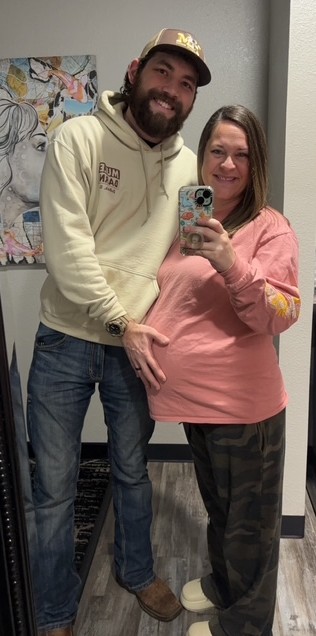
For Toni Zoller, bringing maternity care back to Marion is personal.
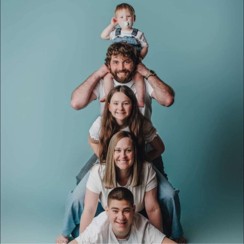
A resident of Carterville, Toni is a mother of three. When she and her husband decided to have a baby together, they spent two years trying to conceive before turning to fertility treatments. When Toni finally became pregnant, she was overjoyed. But what should have been an exciting time quickly became filled with anxiety as she struggled to find accessible, affordable maternity care close to home.
Because of her insurance coverage, receiving care at a nearby obstetrics practice would have meant significant out-of-pocket costs, on top of the expenses her family had already incurred through fertility treatments. Ultimately, Toni found a provider who accepted her insurance in Evansville, Indiana — two hours from home.
Although she was grateful for the excellent care she received, the distance created challenges throughout her pregnancy.
Every prenatal appointment meant at least four hours of driving, often requiring an entire day away from work. Her husband couldn't take time off for every appointment and missed many important moments during his first experience becoming a father. Early morning tests meant overnight hotel stays and arranging childcare for Toni’s two older children from her previous marriage.
Even routine appointments became stressful. Toni recalls having to make the long drive while fasting for a glucose tolerance test, despite experiencing low blood sugar throughout her pregnancy. She also worried about winter weather and road construction along the route, especially with her baby due around Thanksgiving.
As her due date approached, those concerns became even more real.
At 37 weeks, Toni's baby was breech. During an appointment to try to turn him, the baby flipped back into position and Toni's blood pressure increased. Concerned about sending her home so far from the hospital, her doctor decided to deliver the baby that day.
"I had gone in expecting an attempt to turn the baby, and suddenly I was having a baby," Toni recalled.
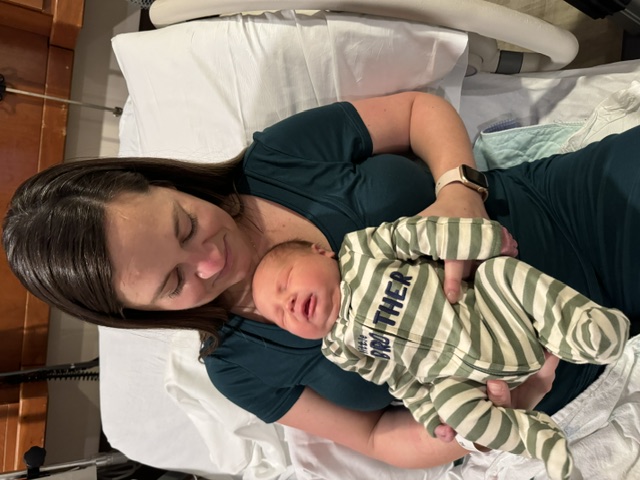
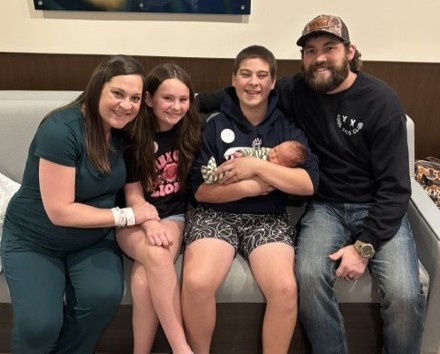
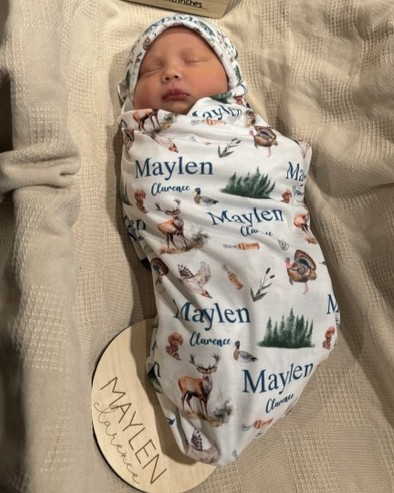
Her son, Maylen, was born healthy, three weeks early. But the distance from home meant Toni couldn't share the moment with much of her family.
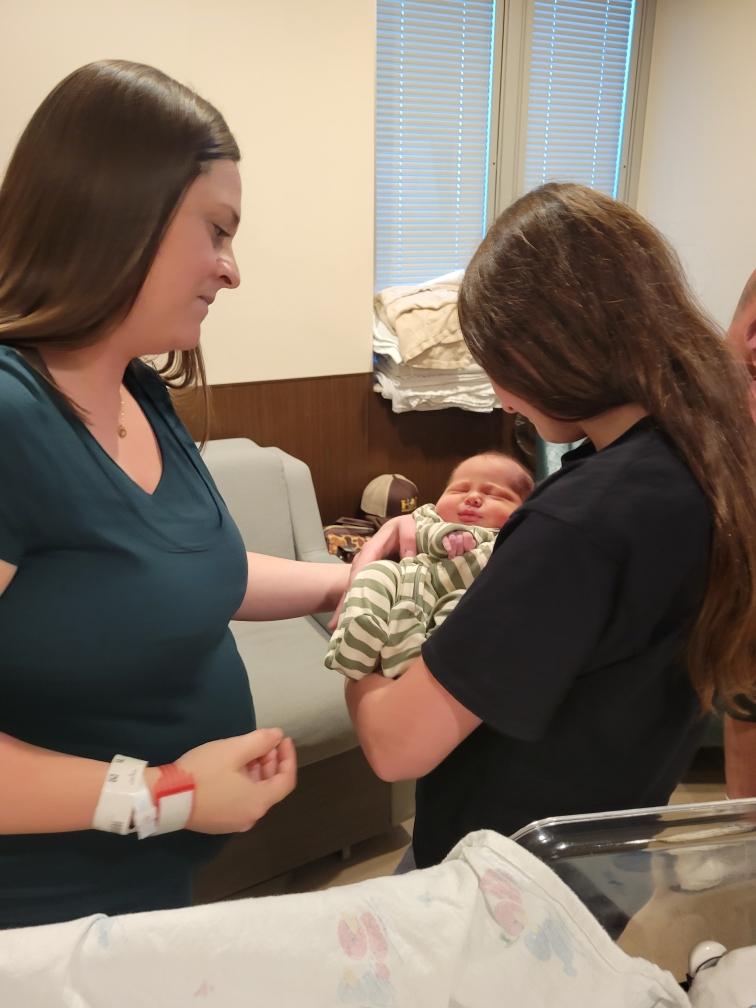
Because of hospital visiting restrictions and the two-hour drive, no one besides her husband was there to welcome Maylen when he arrived. His grandparents, siblings and other family members weren't able to meet him until the following day.
"The first and biggest thing is my family," Toni said when asked what would have been different if she'd had care closer to home. "I would have had a bigger support system. I had my husband and great nurses and a great doctor, but I wanted my family."
For Toni, the experience demonstrated that access to maternity care is about much more than whether a hospital has an available bed. Travel time, insurance coverage, work schedules, childcare and family support all shape whether women have meaningful choices about where to receive care.
"I technically had the option to go to neighboring facilities, but financially it didn't feel like a choice," she said. "To me, I did not have a choice."
Today, Toni is sharing her experience because she wants other women and families to have more options than she did. She believes restoring labor and delivery services in Marion would make a meaningful difference for families who currently face similar challenges.
As a mother, Toni also sees restoring maternity services in Marion as an opportunity to improve patient care. To her, good care isn't just about the quality of services provided — it's also about making those services accessible and convenient for the women and families who need them. Bringing labor and delivery back to Marion would help do just that.
"All patients should have options," Toni said. "For women, when you're in that situation, it's so scary. Feeling alone should never be an option or even a thought that crosses your mind."
For Toni, bringing maternity care back to Marion comes down to something simple: ensuring more women can receive the care they need, with the people they love nearby.
"To me, it's about choice. They should have options."