
Deaconess Illinois Maternity Care
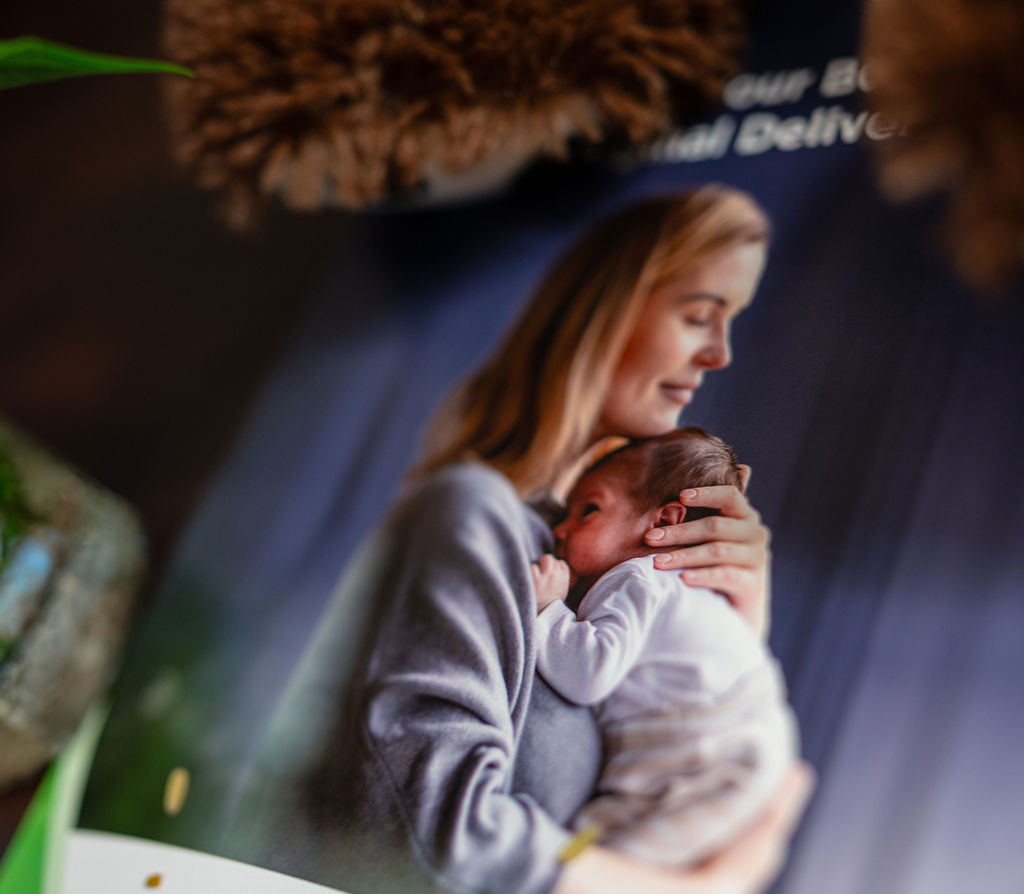
Bringing Maternity Care Back to Marion
Women and families across south central and southeastern Illinois deserve greater access to high-quality maternity care close to home.
But for too many families, having a baby means traveling outside their community to receive care. Marion has been without hospital-based labor and delivery services since 2019, and many surrounding communities face similar challenges.
Deaconess Illinois Medical Center is working to change that.
We're committed to restoring labor and delivery services in Marion, bringing together exceptional clinical care, personalized attention and a patient experience designed around women, babies and families.
By the Numbers: The Need for Maternity Care
0
Hospital labor and delivery units in the state-designated area surrounding Marion, encompassing four counties and portions of a fifth.
60%
of counties in Southern Illinois without essential OB services
30,079
women aged 18-44 living in these counties
A growing maternity care gap across Illinois
The challenges facing women and families in our communities reflect a larger trend across Illinois. As hospitals eliminate obstetric services, more women are left traveling farther from home for maternity care.
- 32 fewer birthing hospitals: Illinois went from 118 birthing hospitals in 2016 to 86 in 2023, according to CDC-published research.
- 76.5% to 65.4%: The number of Illinois women of birthing age who live within a 30-minute drive of a birthing hospital declined 11.1% between 2016 and 2023.
Behind these numbers are women navigating pregnancy, preparing for delivery and making important decisions about where they will welcome their babies.
For families in Marion and surrounding communities, restoring local maternity services would mean more opportunities to receive care closer to home.
By the Numbers: The Need for Maternity Care
32
fewer birthing hospitals in Illinois between 2016-2023
3
Illinois hospitals ended obstetric services in October 2026
2019
Last year Marion had hospital-based labor and delivery services.
“Bringing maternity services back to Marion means bringing care closer to home, supporting families, and expanding access to quality maternity care across Southern Illinois.” — Jodi Fox, MD, Chief Medical Officer of Deaconess Illinois
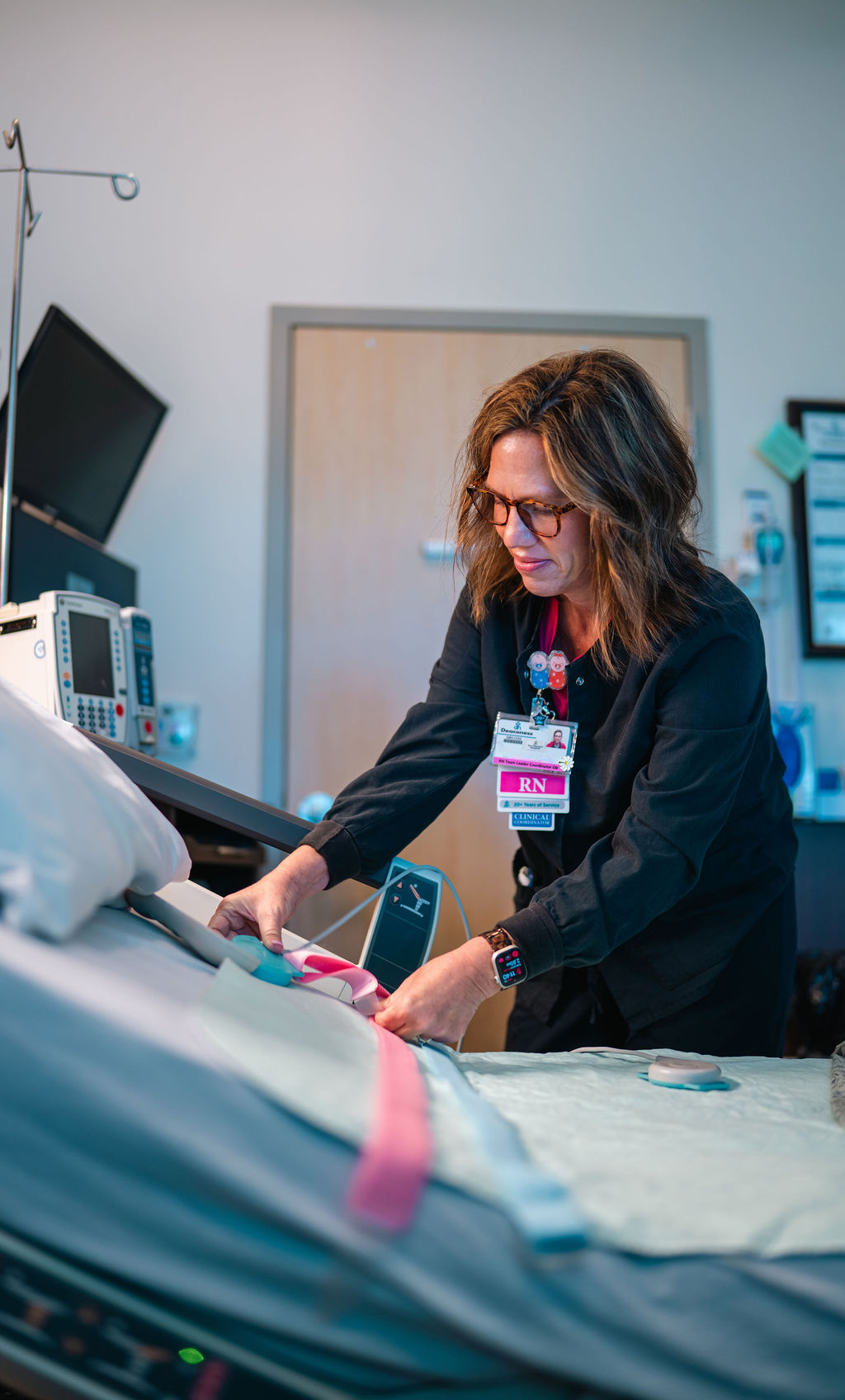
Bringing exceptional maternity care closer to home
Deaconess Illinois is working to restore more than a place to deliver a baby. Our vision is to provide high-quality maternity care and an exceptional patient experience that women and families feel confident choosing.
We envision care that supports women throughout pregnancy, childbirth and recovery, connecting services and clinical expertise across every stage of the maternity journey.
Prenatal Care | Labor & Delivery | Postpartum Care | Newborn Care
Our proposed services would emphasize:
- Exceptional quality and patient experience: High-quality clinical care, personalized attention and an experience centered on the needs of women, babies and families.
- Care close to home: Restoring labor and delivery services in Marion so more families can receive essential maternity care within their communities.
- Connected care: Coordination across prenatal, delivery, postpartum and newborn services to support women throughout their maternity journey.
- Clinical expertise and safety: Appropriate staffing, clinical resources and access to specialized services when additional care is needed.
Our commitment is simple: Bring the quality of care and exceptional experience women expect from Deaconess Illinois to a vital service our communities have been without for too long.
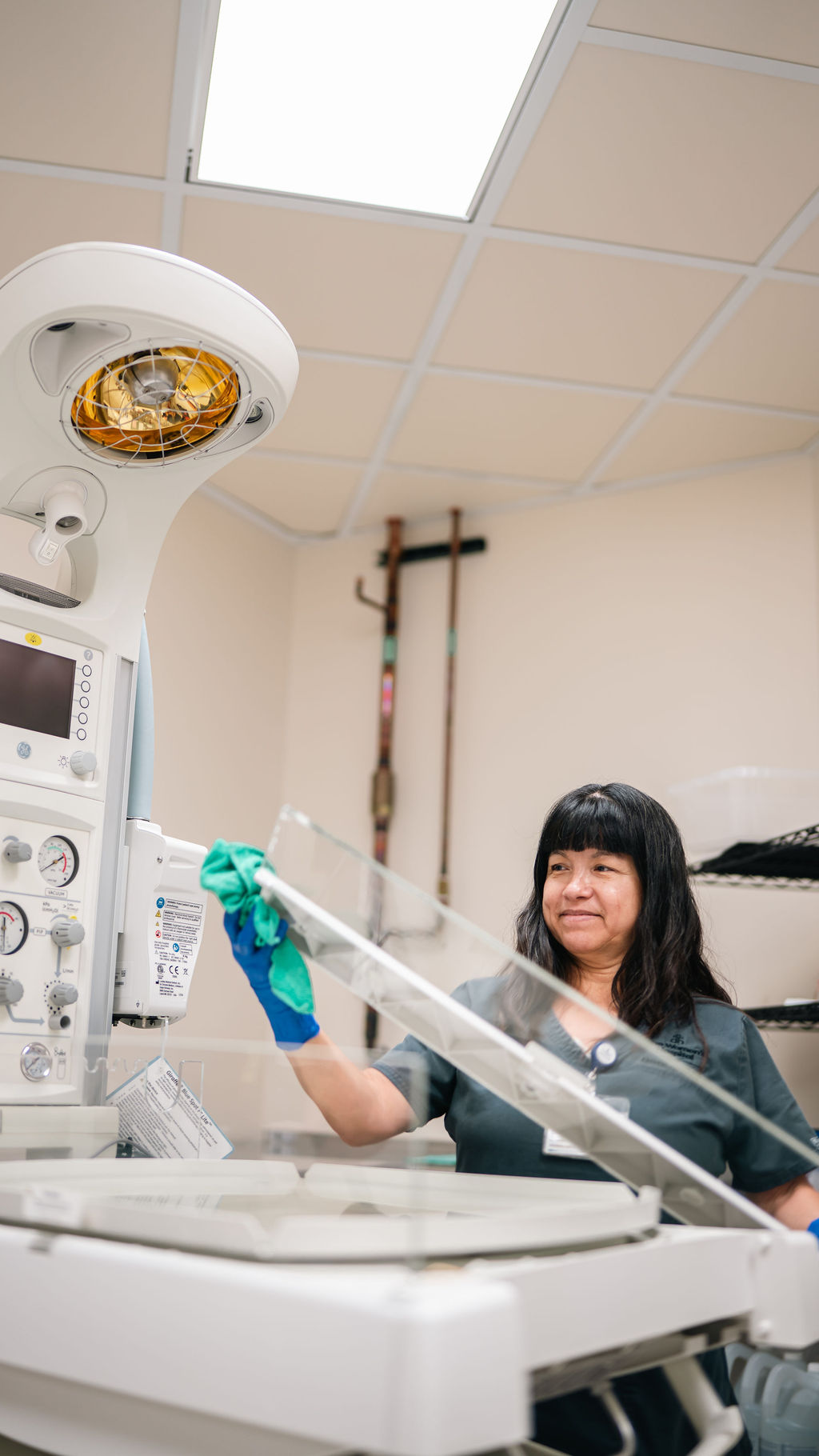
Where Things Stand
Deaconess Illinois is working to secure state approval to bring labor and delivery services back to Marion. While our application did not receive the six votes required for approval during a September review by the Illinois Health Facilities and Services Review Board, we remain committed to restoring this vital service.
We are strengthening our proposal to address questions raised during the review about the number of delivery rooms, existing obstetric capacity, staffing and demonstrated need. We are preparing to return to the Board for further consideration and will share updates as the process moves forward.
Support From Our Communities
We’ve received broad support for our plan, including from area hospitals, physicians, health departments, community health centers, educators and local and state elected officials.
This support reflects the importance of restoring access to maternity care for women and families across south central and southeastern Illinois.
Learn More
Deaconess remains committed to restoring labor and delivery in Marion — The Southern Illinoisan
For Patients Planning Care Today
Labor and delivery services are not currently available at Deaconess Illinois Medical Center in Marion. Patients should continue planning their care and delivery with their provider.
We are working to restore labor and delivery services at Deaconess Illinois Medical Center in Marion, expanding access to high-quality maternity care and an exceptional patient experience closer to home.
We are reducing the proposed number of labor, delivery and recovery rooms from seven to four, consistent with projected utilization, and providing additional information to address the questions raised during the state review.
An opening date has not been determined. The proposed service must receive state approval and meet all clinical, staffing and operational requirements before opening.
Some women and babies will need specialized services or a higher level of care. Our proposed model includes appropriate referral and transfer arrangements to help ensure patients receive the care they need.


